“I don’t want negative opinions next to my dishes”
That is what a restaurant manager told us during a conversation about the digital menu. It was hard to dismiss as fear of criticism. They were describing a specific situation: a guest opens the menu, sees one star next to a dish and picks something else. They don’t know whether someone disliked the dish or whether it simply arrived cold on an unusually hard evening.
That question stayed with us: how do we help a guest choose without turning every item on the menu into a public argument over a single rating?
What does one star really say?
Sometimes it says something important. The dish may have been prepared badly. But sometimes the rating is about the wait, a mistake with the order, or expectations the description did not explain. Without a comment the restaurant does not know the reason, and the next guest sees only the score.
We are not saying critical opinions are unfair. A restaurateur should hear them and learn from them. We were asking whether a rating on a specific dish is always the best information at the moment someone is reading the menu.
Our choice: show what guests enjoyed
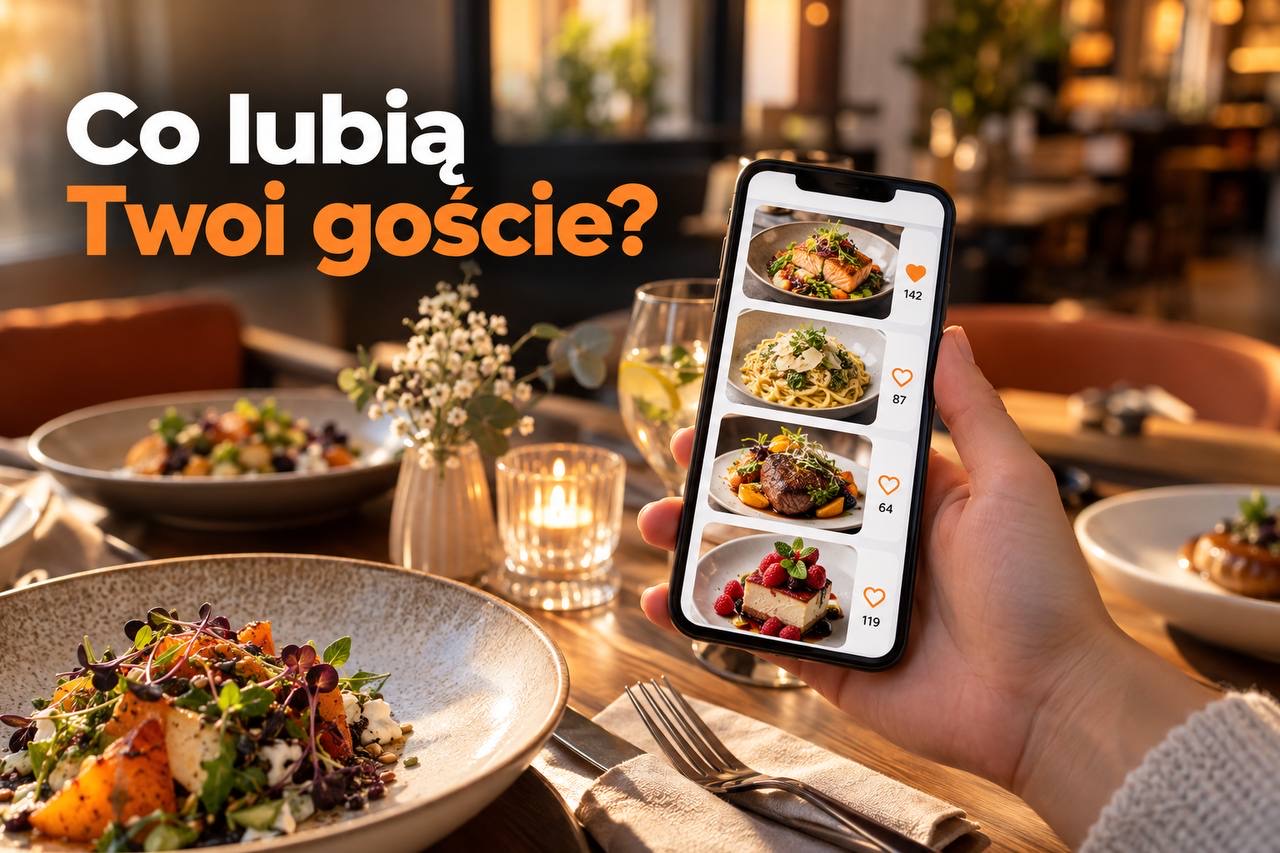
By default ForkTable uses the positive feedback mode. A guest can leave a heart on a dish they liked, and others see the number of likes next to the item on the menu. There is no star scale and no average that a single rating could swing.
It is a simple signal: “other guests liked this dish.” It is not a promise that everyone will. A missing heart does not mean the dish is weak either: it may be new or ordered less often. That is why we do not treat likes as the full picture of quality.
After ordering, a guest can mark the dishes they enjoyed. One tap on a heart is enough. They do not have to write a review or rate the whole visit just because they liked the dessert.
The restaurant chooses how feedback works
On the restaurant details screen the owner sees a “Guest feedback” card that guests cannot see. It has three options: positive feedback, ratings with comments, or turning feedback off in the venue. The choice is saved immediately. If the owner changes nothing, positive feedback stays active.
The decision can depend on the venue. A restaurant with a short, frequently changing menu may want to show only favourites. Another will prefer fuller ratings and comments. The owner does not pick which individual likes to show; they choose how feedback works on their menu.
How does it look elsewhere?
Google Maps and Tripadvisor collect public reviews of the venue. They are not attached to a specific dish on the menu. An owner can reply to reviews but cannot remove an opinion they disagree with themselves; they can report a policy violation to the platform. Open publishing carries the risk of fake ratings, which is why Google describes rules against review manipulation and Tripadvisor runs a reporting procedure. Google: managing reviews, Google: content policy, Tripadvisor: responses and reports.
TheFork states that only people who booked a table and ate at the restaurant can leave a rating or review. Linking a rating to a visit makes it harder for people who were never there to post one, although no verification gives full protection. The rating describes the experience at the restaurant, not a like counter next to a dish. TheFork rules.
Pyszne.pl and Wolt tie a rating to an order: Pyszne.pl sends a request to rate the restaurant after an order, and Wolt calculates a venue’s rating from customers who ordered in the last six months. These are different signals from a public rating of a dish on the menu, and the owner does not choose which individual ratings to show. Pyszne.pl: how ratings work, Wolt: rating rules.
Glovo goes a step further: in a press release it describes thumbs-up or thumbs-down ratings of products, as well as written reviews and photos, added by customers with a verified, delivered order. This shows that feedback on dishes is not a solution available only in ForkTable. The difference is the choice of whether a venue’s menu collects only positive signals, full ratings, or no feedback at all. Glovo: feature description.
Instagram and Facebook let people react to published content, so a restaurant can get likes under a photo of a dish. These are reactions to a post, not structured information next to a menu item. Facebook also has separate page recommendations: logged-in users can post them, and the owner can turn the whole module on or off. Features differ across QR and POS tools. For example, after payment via the QR code on the receipt, Toast lets a guest rate the items of an order with a thumbs up or down and add a comment, but the summary reaches the restaurant in reports. So it is not safe to assume that every QR menu either has or lacks dish ratings. Facebook: page recommendations, Toast: dish feedback.
The honest price of simplicity
Positive feedback helps people notice the dishes that are liked. It does not show how many guests were unhappy or why. A restaurant that wants to collect that information in ForkTable can choose ratings with comments. We will cover that mode in a separate post.
Our conclusion after the conversation with the manager is simple: the form of feedback should match the decision it is meant to support. On a menu, a heart can help someone choose a dish. Solving problems needs more context than a single star.
If you run a restaurant and want to see how this works with your menu, apply for the free ForkTable pilot.